Lead Generation Strategies for eCommerce and B2B Brands
Perfomance Marketing
—
Mar 20, 2025
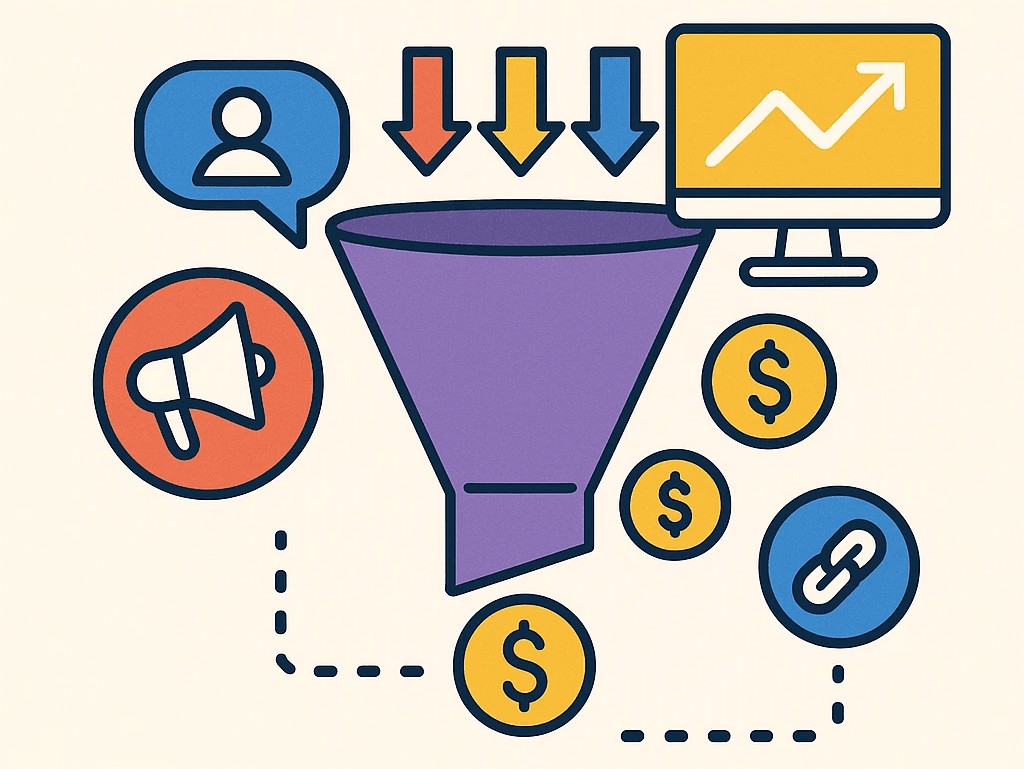
In today’s digital landscape, generating high-quality leads is essential for sustainable business growth. Lead generation is the process of attracting potential customers and capturing their information to nurture them into paying clients. For eCommerce and B2B brands, a strong lead generation strategy can dramatically increase revenue and improve marketing ROI.
Why Lead Generation Matters
Lead generation allows businesses to:
Build a Pipeline of Potential Customers
Capturing leads ensures a continuous flow of prospects who can be converted into buyers.Increase Conversion Rates
Engaging leads with personalized communication makes them more likely to purchase.Improve Marketing ROI
By targeting interested prospects, brands spend marketing budgets more efficiently.Strengthen Brand Authority
Offering valuable content or solutions builds trust and positions your brand as an expert.
Effective Lead Generation Strategies
1. Content Marketing
Create high-value content like eBooks, whitepapers, guides, and blog posts.
Offer this content in exchange for visitor contact information via landing pages.
2. Landing Pages & Forms
Design clear, conversion-focused landing pages.
Keep forms simple, asking only for essential information (name, email, phone).
3. Social Media Lead Ads
Platforms like LinkedIn, Facebook, and Instagram allow lead capture without leaving the platform.
Target ads based on demographics, interests, or behaviors.
4. Email Marketing & Newsletters
Offer newsletter subscriptions or exclusive content.
Segment your audience to deliver personalized messages that encourage engagement.
5. Webinars and Live Events
Host webinars, workshops, or live demos to capture registrations.
These attendees are highly engaged leads with clear interest in your products or services.
6. Paid Search & Display Ads
Use Google Ads and retargeting campaigns to attract leads actively searching for solutions.
Implement lead forms or click-to-call options to capture interested users immediately.
Best Practices for Lead Generation
Segment and Qualify Leads: Not all leads are equal; prioritize high-value prospects.
Automate Follow-Ups: Use CRM or marketing automation tools to nurture leads efficiently.
Track Conversions: Analyze which channels, campaigns, or content generate the best leads.
Optimize for Mobile: Ensure all lead capture forms and pages are mobile-friendly.
Conclusion
Lead generation is a cornerstone of both eCommerce and B2B growth. By implementing targeted strategies like content marketing, social media lead ads, webinars, and optimized landing pages, brands can attract high-quality leads, nurture them effectively, and drive sustainable revenue.
Investing in smart lead generation today sets the stage for long-term business success.
Suggested Image Idea:
A clean graphic showing a lead funnel: website visitor → landing page → lead form → CRM with nurturing workflow.